
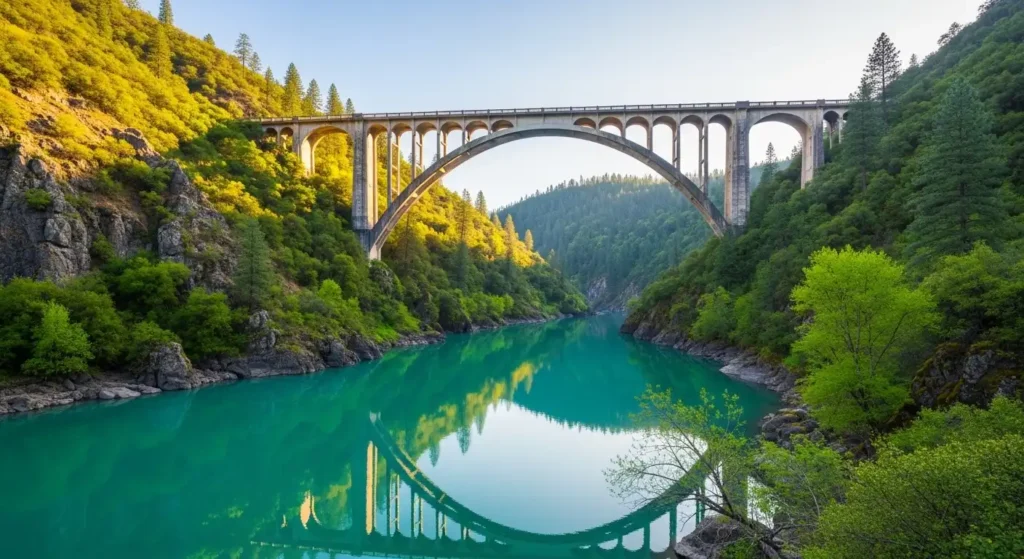
As we navigate through the spring of 2026, California is witnessing a significant shift in travel preferences. While the coastal hubs and Southern California theme parks continue to draw international crowds, a growing number of savvy travelers are heading inland to experience the “Quiet Majesty” of the North. The standout attraction for 2026 is undoubtedly the Feather River Scenic Byway. Spanning a breathtaking 130-mile stretch of Highway 70, this route offers a rare, high-contrast blend of engineering marvels, deep regional history, and pristine natural beauty that remains untouched by over-commercialization.
The 2026 Revitalization: A Sustainable Heritage Milestone
What makes the Feather River Scenic Byway the “Best Attraction” of 2026 is not just its scenery, but the recent investment in sustainable infrastructure and heritage preservation. Under recent state initiatives focused on regional resilience and heritage tourism, the byway has been modernized with eco-friendly rest stops and innovative augmented reality (AR) history markers. These markers allow visitors to use their smartphones to “see” the construction of the massive railway bridges and the ancestral villages of the Maidu people who have called this canyon home for millennia.
This “Slow Tourism” movement is a cornerstone of the 2026 California travel ethos. It encourages visitors to move beyond the “snapshot” culture and engage deeply with the land. By choosing the Feather River route, travelers are opting for an experience that prioritizes conservation over consumption, aligning perfectly with the values we advocate for on our California advocacy platform.
Top Landmarks Along the Feather River Route
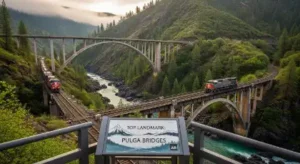 The byway begins near the city of Oroville and climbs steadily into the Plumas National Forest. For those starting their journey in Butte County, the byway serves as a gateway to some of the most iconic landmarks in Northern California. Here are the must-see stops for your 2026 itinerary:
- The Pulga Bridges: Perhaps the most photographed spot on the route, these dual bridges (one rail, one road) arch gracefully over the river. The 2026 upgrades include a new, safe pedestrian viewing platform that offers panoramic views of the North Fork Feather River.
- The Arch Rock Tunnel: A literal hole through the granite mountain, this tunnel showcases the rugged determination of California’s early infrastructure developers. It remains a marvel of the “Wonder of the World” railway engineering.
- Tobin and Shady Rest: These small, tucked-away spots offer river access for sustainable fishing and gold panning, maintaining the “Old California” feel that has disappeared from many other regions.
The Engineering Marvels: A “Wonder of the World”
The Feather River Scenic Byway is unique because it follows the path of the Western Pacific Railroad’s “Feather River Route.” Completed in 1909, this rail line was known as a “wonder of the world” because of its gentle 1% grade through the formidable Sierra Nevada mountains. As you drive Highway 70 today, you are essentially tracing a masterpiece of civil engineering. The 2026 visitor experience has been enhanced with new educational pull-outs that explain the “Bridges and Tunnels” heritage, focusing on the immigrant labor and technical grit that made the North accessible.
Sustainable Travel and Safety in 2026
As we have explored in our recent guides on California Resilience and Zone Zero laws, safety is paramount in the Sierra. The Feather River Canyon is a dynamic environment, and in 2026, the byway features real-time digital kiosks at every entry point. These kiosks provide live updates on road conditions, heat alerts, and wildfire risk levels. Travelers are encouraged to use these tools to ensure their visit is as safe as it is beautiful.
Furthermore, the 2026 “Heat Resilience” protocols are in full effect along the byway. During extreme temperature events, which we track closely at New Deaths, hikers and campers are advised to utilize the designated “Cooling Havens” integrated into the newer, solar-powered rest stations along the route. This proactive approach to safety ensures that the Feather River remains a welcoming destination year-round.
Economic Impact: Why This Attraction is “Good for California”
 The success of the Feather River Scenic Byway in 2026 is a victory for localism. Unlike major urban attractions where revenue often leaves the community, the byway supports a network of small, family-owned businesses in Oroville, Belden, and Quincy. By patronizing local lodges and visiting Butte County regional heritage sites, visitors are directly funding the preservation of California’s rural identity.
This economic model is exactly what we support: growth that respects the land and its history. The revitalization of the byway has proven that tourism can be a tool for conservation. When travelers spend money to see a historic bridge or a clean river, they are voting for the continued protection of those assets.
How to Plan Your 2026 Road Trip
Planning a trip along the byway is easier than ever in 2026. We recommend a three-day itinerary to truly soak in the “Hidden Gems” of the North:
- Day 1: Oroville to Pulga: Visit the Lake Oroville State Recreation Area and the historic Chinese Temple, then drive up to the Pulga Bridges for sunset photos.
- Day 2: The Heart of the Canyon: Explore the Arch Rock Tunnel and the Belden Town Resort, a historic stop for Pacific Crest Trail hikers.
- Day 3: Quincy and Beyond: End your trip in the charming town of Quincy, visiting the Plumas County Museum to see the deep historical roots of the region.
Conclusion: A Journey Through Time and Resilience
The Feather River Scenic Byway is more than just a road; it is a living museum and a testament to California’s ability to balance progress with preservation. In 2026, it stands as the premier destination for those who want to see the real California—the one defined by rugged canyons, engineering genius, and a community that refuses to let its history fade. As we continue to build a resilient state, attractions like the Feather River Byway remind us why it truly is “Good for California” to protect our northern heritage.