
What Is Hydrogen Blending?
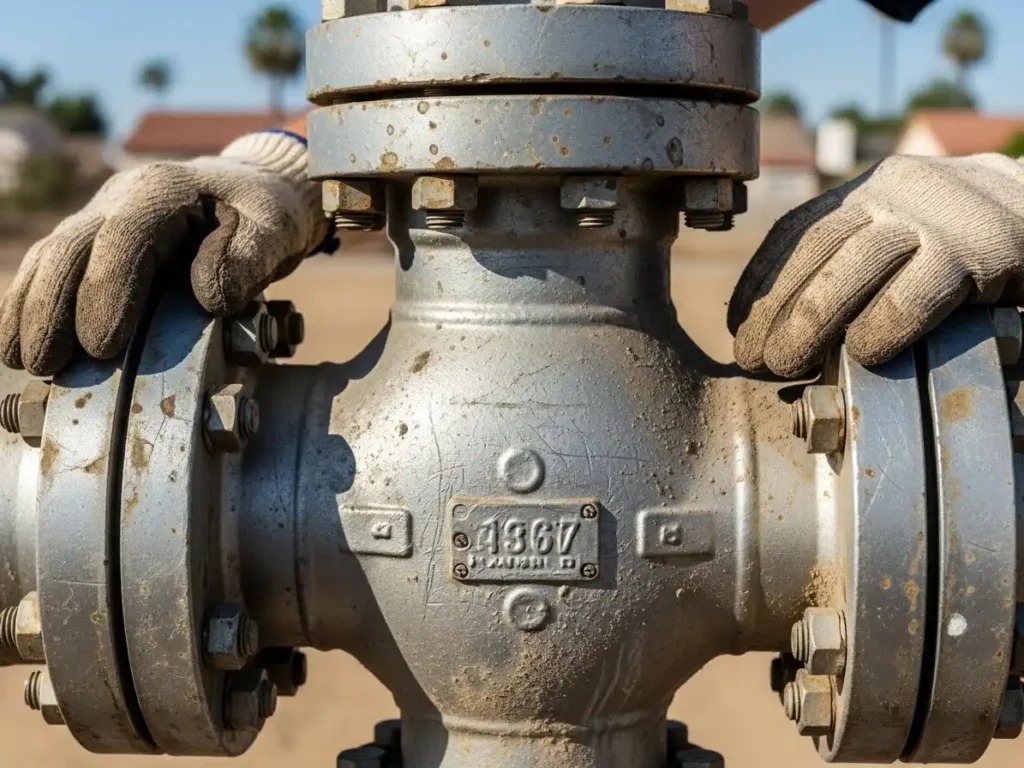
 Hydrogen blending involves mixing a percentage of hydrogen gas into conventional natural gas pipelines. The idea is that hydrogen, when produced cleanly (such as via renewable energy), can reduce the carbon intensity of gas used for heating and cooking. This approach is seen by supporters as a step toward lowering overall emissions while leveraging existing infrastructure.
Advocates claim that blending hydrogen could offer a cost‑effective way to integrate low‑carbon energy sources without requiring consumers to immediately switch to electric appliances or new technology. They also say the pilot could provide valuable data on how hydrogen performs over time in real gas systems.
Community Safety and Health Concerns
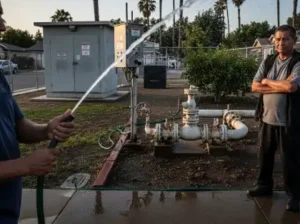
Despite the promise of lower emissions, several community members and critics have raised questions about the safety and health implications. Residents of Orange Cove, a town with high asthma rates and a large Latino population, have voiced opposition to the plan, citing lack of clear safety assessments and limited local involvement in decision‑making.
Hydrogen is a highly flammable gas, and opponents say that older appliances, pipes, and appliances in many homes are not designed for hydrogen blends — potentially increasing risks of leaks, fire hazards, and nitrogen oxide emissions. Health advocates also argue that introducing a new gas mix without thorough testing could disproportionately impact vulnerable populations.
Climate and Energy Policy Debate
Supporters of the blending plan emphasize the climate potential of hydrogen technologies, seeing them as part of California’s broader goals to reduce greenhouse gas emissions. California has long positioned itself as a leader in clean energy policy, from vehicle emissions standards to renewable energy targets, and hydrogen is viewed by some policymakers as another tool in the energy transition toolkit.
Yet, even within the environmental community, opinions are mixed. Some experts argue that direct electrification — using renewables to power electric heaters, stoves, and appliances — could be safer and more effective in cutting emissions than converting existing gas systems. Others believe that blending could serve as an interim solution while infrastructure and technology catch up.
Regulatory Decision and Next Steps
 The California Public Utilities Commission is expected to decide on whether to move forward with the hydrogen‑gas blend pilot later this year. The decision will likely weigh emissions benefits against safety concerns and community feedback. Public meetings and further assessments may be required before a final approval is given.
Why It Matters
This issue highlights the challenges that arise when balancing ambitious climate goals with public safety and community trust. As California continues to pursue cleaner energy solutions, debates like this illustrate that technological innovation must go hand‑in‑hand with robust public engagement and thorough evaluation.
Learn More
For more on California’s energy policies, check out our article on California’s Renewable Energy Transition and Its Challenges or explore our insights on Environmental Health and Policy in California Communities.