

The Path to Drought-Free California
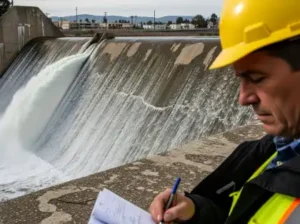 After years of extreme drought conditions that caused widespread water scarcity, California is seeing a much-needed shift in its environmental trajectory. Historically, the state has endured lengthy drought periods, with some of the driest years in recent memory wreaking havoc on water resources, agricultural sectors, and the natural environment. But with multiple years of above-average rainfall, California has witnessed a dramatic rebound in water levels.
This achievement was largely due to the robust winter storms that replenished critical water reservoirs, rivers, and aquifers across the state. The Sierra Nevada snowpack, which serves as a major source of California’s water supply, saw a significant improvement, helping to store water for future needs. As a result, cities, farms, and ecosystems that once struggled to find sufficient water have now found relief.
Environmental and Economic Implications
While this is a welcome development, the benefits of a drought-free California extend beyond just the environmental. The state’s agricultural industry — which depends heavily on water for irrigation — can now rely on more consistent water sources. This shift could reduce the reliance on groundwater resources, which were heavily depleted during the drought years. This has the potential to alleviate some of the financial pressures farmers face and stabilize crop yields across the state.
On the urban side, California cities may soon revisit some of the emergency water restrictions that were previously implemented to conserve water. This could mean the return of water-use freedoms such as increased landscape irrigation or the lifting of certain water usage limitations. However, experts are still advocating for conservation efforts, as long-term sustainability will require maintaining water-saving habits even in times of surplus.
For ecosystems and wildlife, this milestone could mean the recovery of wetlands, rivers, and fisheries, all of which benefit from more consistent water flows. California’s diverse ecosystems have struggled with low water levels, which disrupted habitats and reduced biodiversity. With a more reliable water supply, it is likely that species will recover, and ecosystems will flourish once again.
Challenges Ahead: Climate Variability and Future Planning
Despite the optimism surrounding California’s drought-free status, experts caution that the situation remains fragile. The state’s climate variability means that drought conditions could quickly return, even in the face of one or two good years. California’s water management system — although improved — will need to be constantly adapted to account for both wet and dry periods.
Furthermore, while reservoirs and aquifers have been replenished, snowpack levels in the Sierra Nevada are still below average. This could indicate a potential vulnerability in the state’s water system, as the snowpack is a key source of water during the spring and summer months. Climate change remains a central concern, with predictions of more extreme weather patterns in the future. Water management, therefore, will need to remain agile and proactive.
The Importance of Sustainable Water Practices
California’s drought-free milestone is a testament to the power of collaborative climate policy and effective water management strategies. From the passage of water conservation laws to investments in innovative irrigation systems, the state has taken significant steps toward better resource allocation. However, achieving a sustainable future will require continued efforts across various sectors, including agriculture, urban planning, and environmental conservation.
Moreover, this milestone emphasizes the need for long-term investments in water infrastructure, such as improved storage facilities, efficient water treatment plants, and updated water delivery systems. These efforts will be key in preparing the state for potential climate extremes and ensuring that the drought-free status is not just a temporary achievement, but a long-term trend.
Conclusion: A Moment of Relief and Reflection
 California’s achievement of being 100% drought-free for the first time in a quarter century is undoubtedly a significant win for the state. It symbolizes the resilience of the people and the environment in overcoming a challenging period. It also highlights the importance of sustainable water practices, long-term planning, and collaborative efforts to address the ongoing challenges posed by climate change.
While this is a moment of relief and reflection, Californians must remain vigilant and committed to protecting their water resources. This milestone is a reminder that, though the state has overcome many water-related challenges, it must continue to adapt and prepare for whatever challenges lie ahead. As California moves forward, its water future will remain a crucial factor in the state’s overall environmental health and economic stability.
Stay Informed
To learn more about California’s water policies and environmental milestones, be sure to explore our other articles on water resources, sustainability efforts, and the state’s fight against climate change. Learn more about California’s water infrastructure updates or check out our post on wildfire recovery and its link to water management.